
Why Corehauss is Different
Most fitness and body-focused technologies emphasize intensity, fat reduction, or aggressive muscle contraction. While those methods can produce short-term changes, they don’t always account for how women’s bodies respond during hormonal transitions.
Postpartum. Perimenopause. Menopause.
During these phases, stress tolerance, muscle coordination, and metabolic responsiveness shift. Pushing harder isn’t always the solution.
Corehauss is built on a different foundation.
We prioritize restoring communication between the nervous system and the muscles first. When coordination improves, strength becomes more accessible. When the body receives clear signals, tone, stability, and metabolic responsiveness follow naturally.
This is why the experience feels supportive rather than punishing — and why many women arrive here after realizing that intensity alone wasn’t the answer.
Corehauss isn’t designed to replace workouts or nutrition.
It’s designed to make them work again.

Comparison Chart:
Eurowave vs. Other Treatments
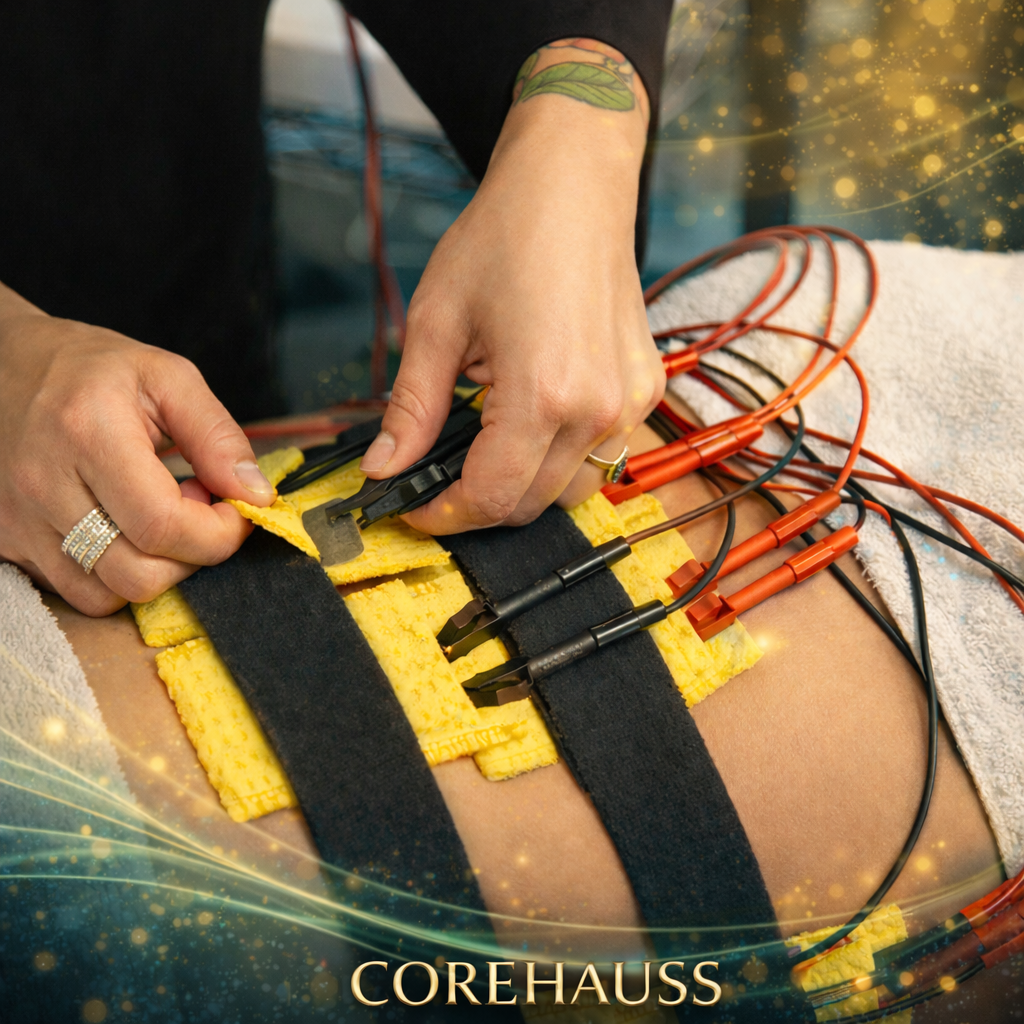
Eurowave (Faradic Muscle Stimulation)
Non-invasive
Very low risk
No downtime
Feels like deep muscle activation (similar to a workout)
Targets deep core muscles
Safe for C-sections & pelvic floor
Suitable for midlife women
Immediate tightening effect
Supports long-term strength
Faradic-based technologies have been in medical/therapeutic use for roughly 170–180 years (since the mid-1800s), evolving over time into modern devices and body-sculpting applications like Eurowave.
Laser / Heat-Based Treatments
Uses heat or laser energy
Moderate risk (burns, inflammation)
Possible downtime
Does not strengthen muscles
Not ideal for postpartum or pelvic floor clients
Heat may irritate sensitive tissue
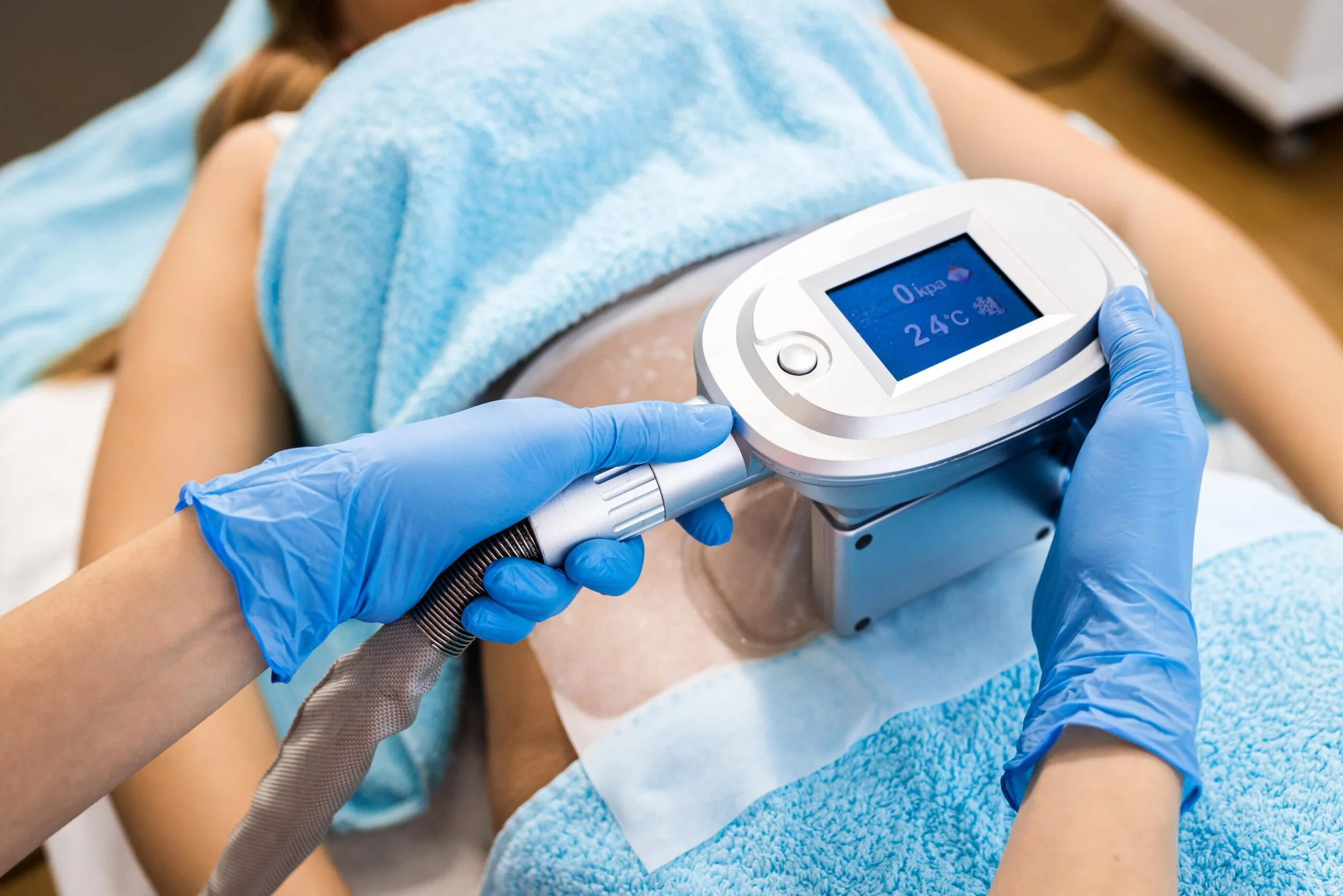
Cryolipolysis (Fat Freezing)
Uses extreme cold
Moderate–high risk (nerve pain, numbness, paradoxical fat growth)
Discomfort during treatment
No muscle activation
No immediate tightening sensation
Not recommended for core or pelvic concerns
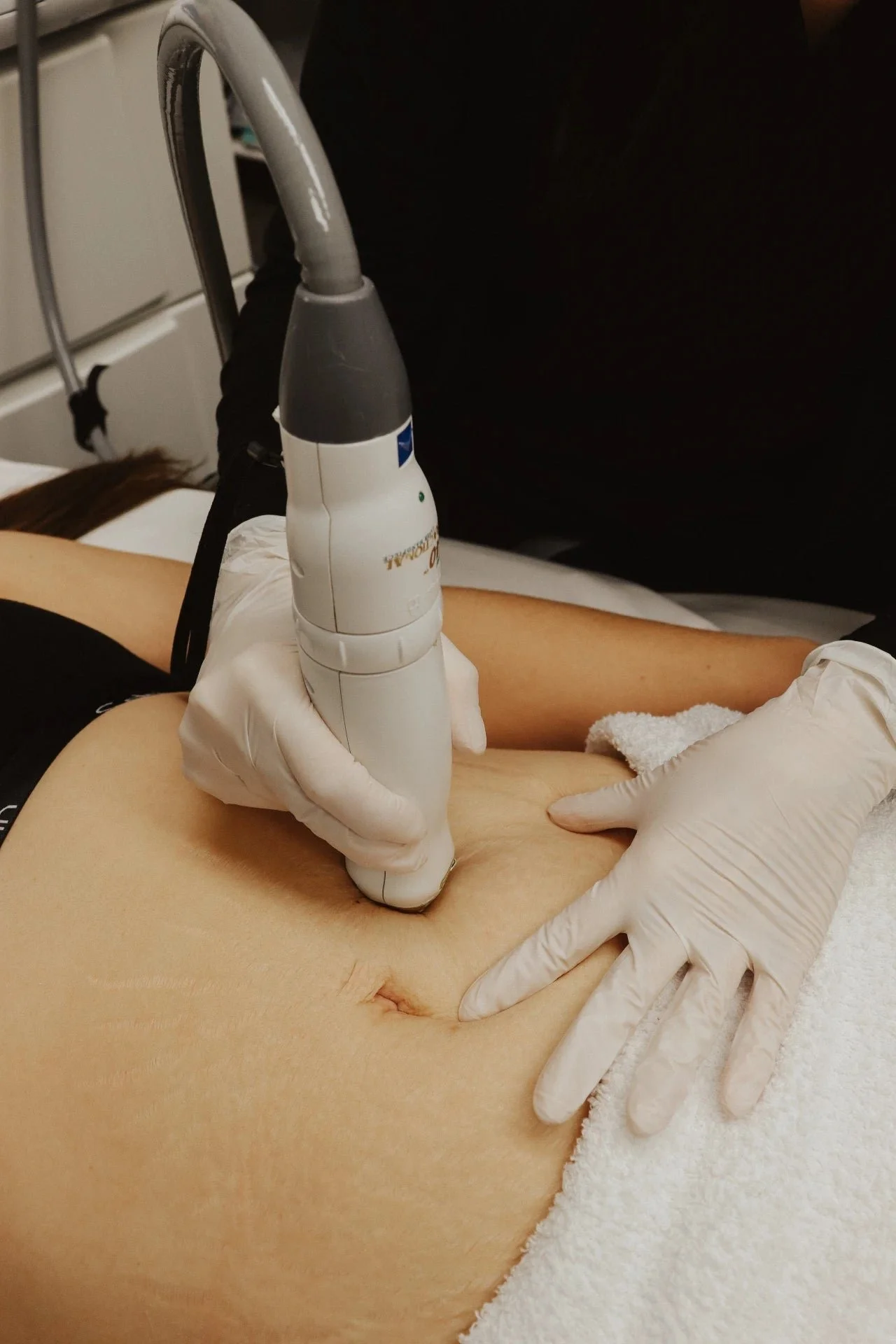
Ultrasound / Cavitation
Uses high-frequency sound waves
Moderate risk (bruising, tenderness)
No strengthening benefits
Cosmetic results only
Doesn’t target deeper muscles
Not postpartum-friendly
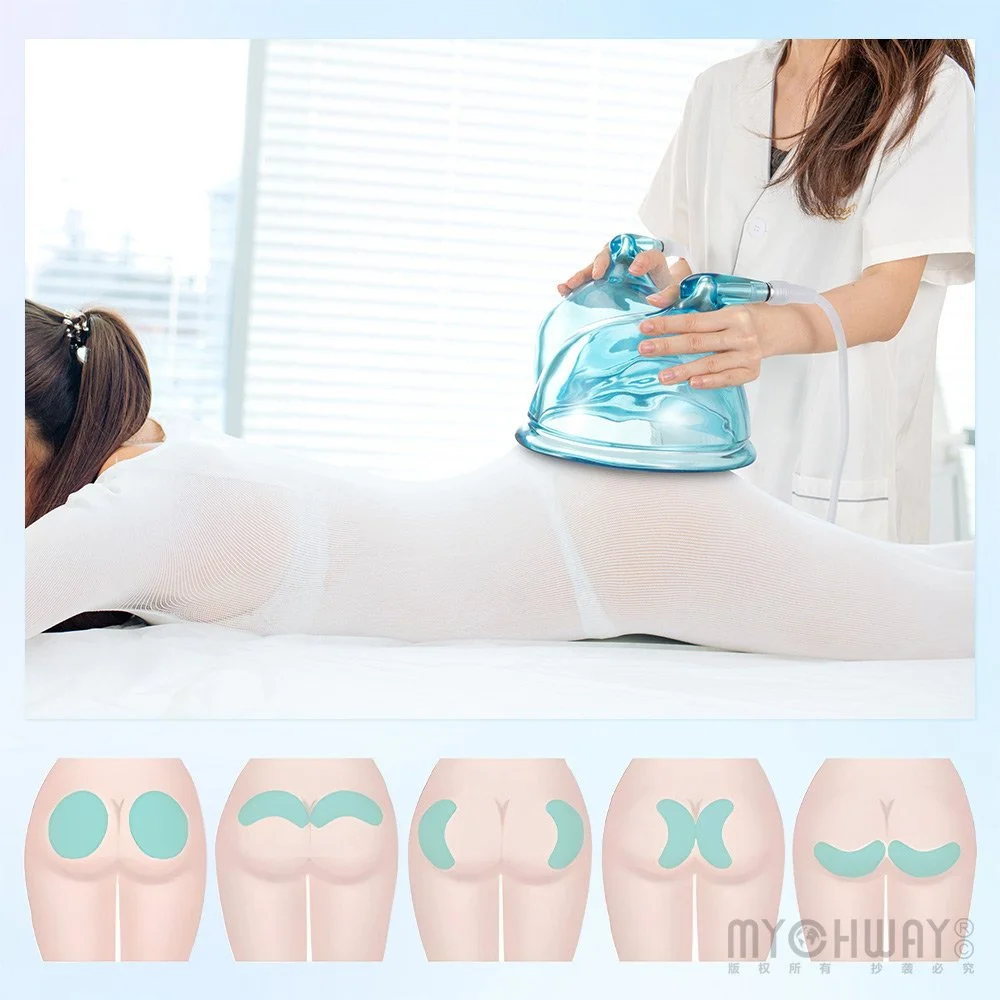
Vacuum / Suction Devices
Uses mechanical suction
Moderate risk (bruising, broken capillaries)
Can be uncomfortable
No deep muscle activation
Not ideal for sensitive tissue or C-section scars

Electrical stimulation proven to increase muscle mass and strength
The University of Texas at El PasoJan 9 2025
Brain & circulatory effects
Effects of electrical muscle stimulation on cerebral blood flow
Research article
Published: 14 November 2021
Volume 22, article number 67, (2021)
Cerebral Benefits Induced by Electrical Muscle Stimulation: Evidence from a Human and Rat Study
Submission received: 20 December 2023 / Revised: 23 January 2024 / Accepted: 1 February 2024 / Published: 4 February 2024
Studies on EMS - Electronic Muscle Stimulation
Muscle Strength / Hypertrophy
Electrical Stimulation and Muscle Strength Gains in Healthy Adults: A Systematic Review
Mukherjee, Swarup1; Fok, Jeryn Ruiwen1; van Mechelen, Willem2,3,4,5
Journal of Strength and Conditioning Research 37(4):p 938-950, April 2023. | DOI: 10.1519/JSC.0000000000004359
Effects of electrical muscle stimulation on core muscle activation and physical performance in non-athletic adults: A randomized controlled trial
Hyun-Joon Yoo a, Sangsoo Park b, Sejun Oh c, Munjeong Kang a, Yongha Seo d, Byung Gon Kim e, Sang-Heon Lee a,*
Author information
Article notes
Copyright and License information
PMCID: PMC9875983 PMID: 36705372
Body Composition & Metabolism
Effect of 8-week frequency-specific electrical muscle stimulation combined with resistance exercise training on muscle mass, strength, and body composition in men and women: a feasibility and safety study
Mon-Chien Lee1,2, Chin-Shan Ho1, Yi-Ju Hsu1, Ming-Fang Wu1, Chi-Chang Huang