

Supporting Strength When Appetite Is Lower
Strength and body composition look different on every body. Supporting muscle activation helps the body adapt with confidence during periods of change.
Strength isn’t just built in the gym.
It’s maintained through consistent signals to the body.
When appetite is lower — whether due to lifestyle changes, stress, or intentional weight loss — the body often receives fewer signals to maintain muscle engagement.
This is when many people notice:
weakness
softness
fatigue
reduced stamina
These changes are common, not personal failures.
Why Lower Appetite Affects Strength
When intake decreases:
total movement often decreases
resistance stimulation drops
muscle activation signals reduce
The body adapts by conserving energy.
This is efficient biology — not something to fight aggressively.
Why Forcing Intensity Often Backfires
When strength feels diminished, many people try to:
train harder
push through fatigue
increase intensity
But when energy availability is lower, aggressive strategies can:
increase stress
reduce recovery
worsen tissue responsiveness
The body responds better to support, not force.
Gentle Activation Makes a Difference
Supporting strength during low-appetite phases often looks like:
low-stress muscle activation
consistent stimulation
shorter, focused sessions
attention to recovery
This keeps muscles “online” without draining resources.
Where Eurowave Fits
Eurowave is used to support:
muscle activation without exhaustion
tissue engagement during transitions
structural awareness
It doesn’t replace nutrition or medical care.
It supports the physical structure of the body while it adapts.
The Takeaway
Strength isn’t lost overnight.
It fades when signals disappear.
Supporting activation — gently and consistently — helps preserve strength even when appetite or energy is lower.
👉 Learn more about Eurowave sessions at Corehauss

The “Skinny-Fat” Phase: Why Feeling Softer During Weight Loss Is More Common Than You Think
Feeling softer during weight loss is more common than you think. Learn why muscle activation and body composition matter more than the scale during periods of change.
Many women expect weight loss to feel empowering right away.
But instead, they notice something unexpected:
their clothes are looser
the scale is down
yet their body feels softer, less supported, or less “toned”
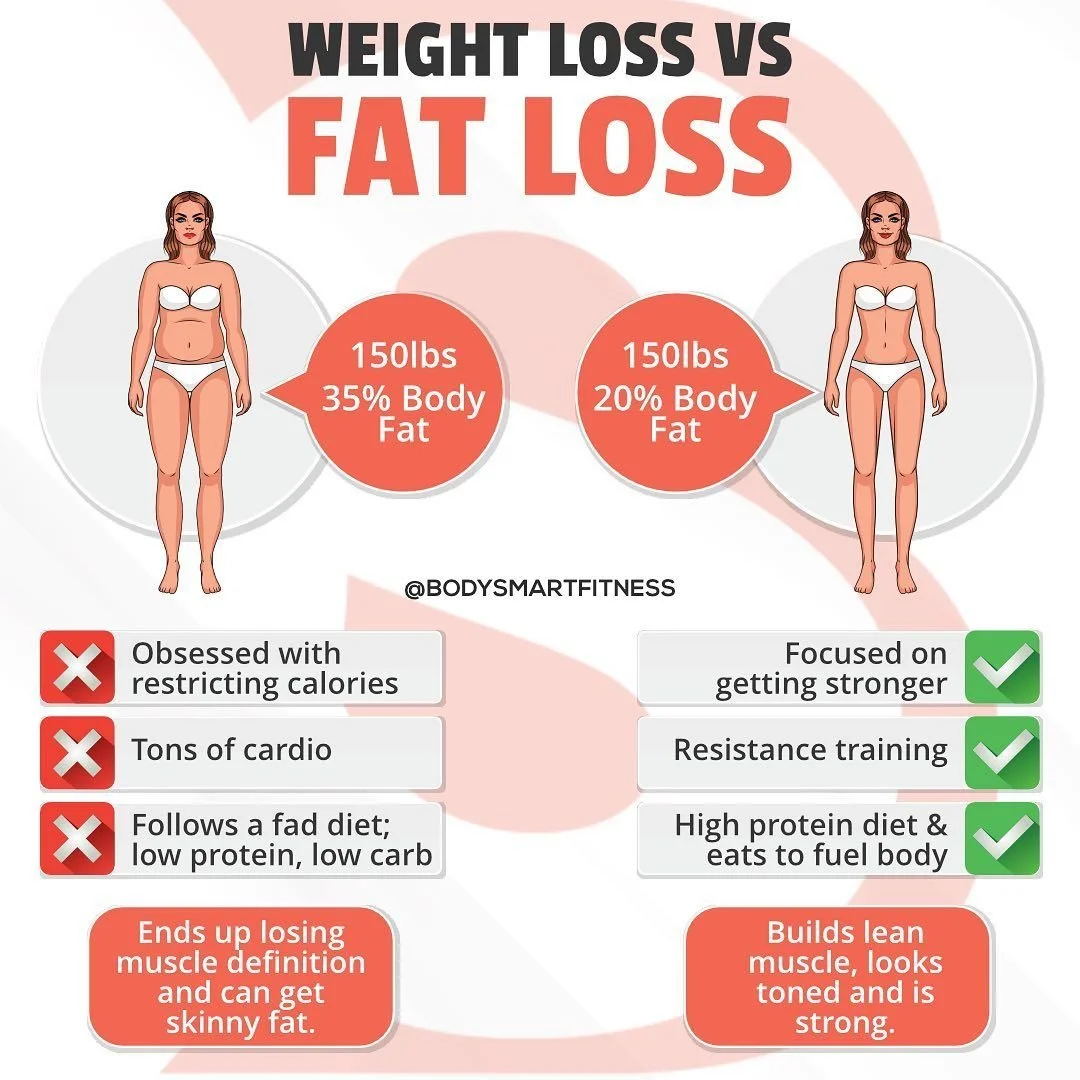
This phase is often described as feeling skinny-fat — and while the term isn’t ideal, the experience behind it is very real.
The good news?
This phase is common, temporary, and explainable.
What People Mean by the “Skinny-Fat” Phase
The “skinny-fat” feeling usually shows up when:
body weight changes faster than muscle adapts
muscle activation decreases
tissue support hasn’t caught up to size changes
It’s not about body shape being “wrong.”
It’s about body composition being out of sync.
In other words:
The scale moved faster than structure did.
Why Weight Loss Can Lead to Softness
Your body is made up of:
fat
muscle
water
connective tissue
When weight changes quickly, the body often loses:
fat
fluid
some degree of muscle engagement
Muscle provides firmness, tone, and support.
When muscle activation drops, tissues can feel looser — even at a smaller size.
This is why people say:
“I’m lighter, but I don’t feel as solid.”
That sensation isn’t failure.
It’s feedback.
Why This Phase Is So Common Right Now
This experience has become more common as:
appetite changes
eating patterns shift
activity levels change
bodies move through faster transitions
When the body isn’t receiving consistent signals to engage muscle, it adapts by conserving energy — not by maintaining tone.
That’s normal physiology, not a personal shortcoming.
Why Chasing More Weight Loss Usually Backfires
When softness shows up, many women instinctively try to:
eat less
push harder
train more aggressively
But adding stress often makes things worse.
The body doesn’t tighten under pressure.
It tightens when it feels supported and stable.
This is why the solution isn’t “more weight loss” — it’s better muscle engagement and tissue support.
How the Body Moves Out of the “Skinny-Fat” Phase
This phase resolves when:
muscle activation improves
tissues receive consistent stimulation
circulation and lymphatic flow are supported
the nervous system feels safe enough to adapt
As muscle engagement returns, many women notice:
improved firmness
better posture
a more defined shape
increased confidence in how their body feels
Not because they lost more weight — but because their structure caught up.
Where Supportive Muscle Activation Fits In
At Corehauss, Eurowave sessions are used to support:
gentle muscle activation
tissue tone
body awareness
structural support during transitions
This isn’t about forcing outcomes or replacing medical care.
It’s about helping the body reconnect to muscle engagement when it needs support the most.
The Takeaway
Feeling softer during weight loss doesn’t mean you’ve done anything wrong.
It means your body is in transition.
The goal isn’t to be smaller at any cost.
The goal is to feel supported, strong, and confident inside your body.
When muscle activation is supported, the rest follows.
If you’re navigating body changes and want to feel more supported as your body adapts, Eurowave may be a helpful tool to explore.
👉 Learn more about Eurowave sessions at Corehauss
Support your structure. Support your strength. Support your long-term health.
Why Rapid Weight Loss Can Change How Your Body Feels — Not Just How It Looks
Weight loss is often framed as a visual outcome.
But many women are surprised to find that when weight changes quickly, the biggest shift isn’t what they see in the mirror — it’s how their body feels.
Comments like these are incredibly common:
“I feel smaller, but softer.”
“My strength feels different.”
“I’ve lost weight, but I don’t feel as solid.”
“My body doesn’t feel supported the way it used to.”
These experiences are not a sign that something has gone wrong.
They’re a sign that body composition is changing faster than structure can adapt.
Weight Loss and Body Composition Are Not the Same Thing
The scale measures total mass.
It does not tell you what that mass is made of.
Your body is a combination of:
muscle
fat
water
connective tissue
fascia
When weight drops quickly — for any reason — the body may lose:
fat
fluid
muscle tone
That loss of tone is often what creates the sensation of softness, weakness, or instability — even as the number on the scale goes down.
This is why focusing only on weight can feel confusing or discouraging.
Why the Body Can Feel “Less Supported” During Rapid Change
Muscle provides more than strength.
It provides structure.
When muscle activation decreases:
posture can feel less stable
joints may feel less supported
the core may feel weaker
tissues may feel looser or less responsive
This doesn’t mean muscle is “gone forever.”
It means it needs intentional activation again.
And during periods of rapid weight change, that activation often doesn’t happen naturally.
Softness Is a Signal — Not a Failure
Softness during weight loss is often interpreted as something negative.
But from a physiological perspective, it’s simply information.
It can signal:
reduced muscle engagement
less resistance placed on the body
lower daily movement intensity
changes in nervous system signaling
changes in circulation and fluid dynamics
In other words, the body is adapting — and asking for support.
Why Long-Term Metabolic Health Depends on Muscle Preservation
Muscle is metabolically active tissue.
It plays a role in:
insulin sensitivity
glucose uptake
posture and balance
joint protection
long-term weight stability
Preserving muscle tone during weight loss isn’t about aesthetics.
It’s about function, resilience, and sustainability.
This is why many women shift their focus from “losing more weight” to:
feeling stronger
feeling tighter
feeling more supported
improving body composition
That shift is often where confidence returns.
Where Supportive Muscle Activation Fits In
During periods of rapid change, the body doesn’t always receive enough stimulus to keep muscles fully engaged.
Supportive activation methods — especially those that are:
non-invasive
low stress
adjustable
and gentle on the nervous system
can help the body:
reconnect to muscle engagement
improve tissue tone
feel more stable and supported
maintain structural integrity during transition
This is the context in which technologies like Eurowave are used — not as treatment, not as replacement for medical care, but as support for the physical structure of the body.
The Takeaway
If your body feels different during weight loss, you’re not doing anything wrong.
You’re experiencing a normal physiological response to rapid change.
The goal isn’t just to be smaller.
The goal is to be strong, supported, and stable inside your body.
That’s where long-term health lives.
A Gentle Invitation
At Corehauss, we focus on supporting muscle activation, tissue tone, and body awareness — especially during periods of change.
If you’re navigating weight loss and want your body to feel more supported along the way, Eurowave may be a helpful tool to explore.
👉 Learn more about Eurowave sessions at Corehauss
Support your structure. Support your strength. Support your long-term health.