
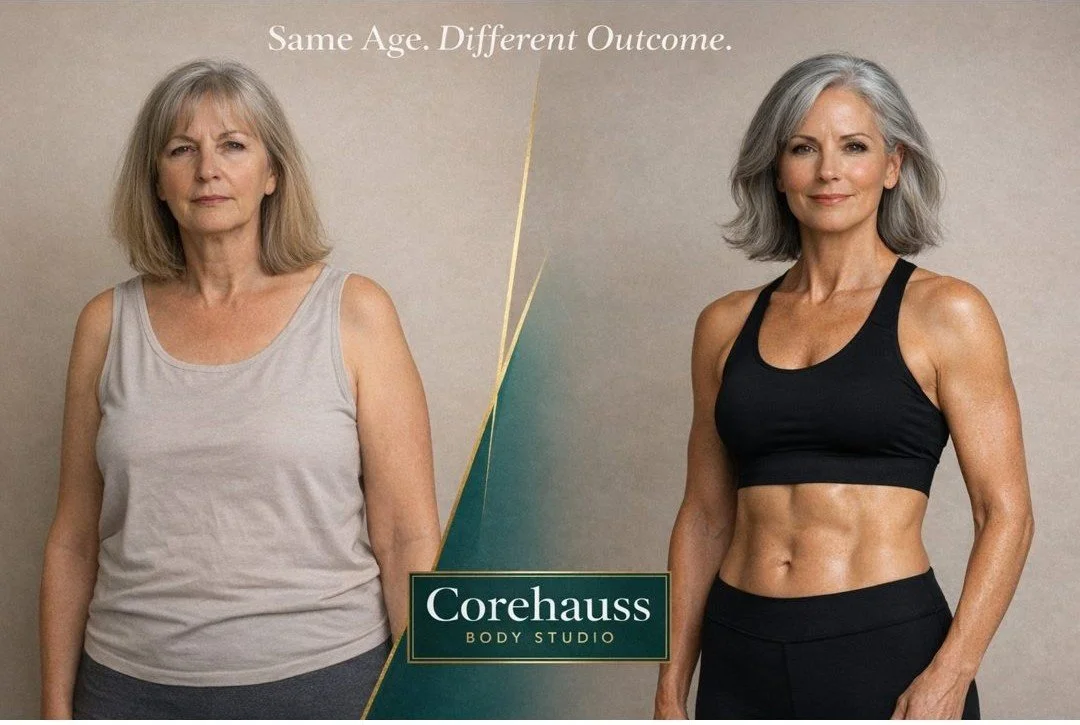
Consistency Over Cost: Why Expensive Body Treatments Don’t Work Without Frequency
Let’s be honest.
You don’t need to spend more money on your body.
You need to stop wasting it on things that aren’t done often enough to work.
After 40, your body changes. Muscle tone can feel harder to maintain. Your core may not feel as strong or connected. Your metabolism may feel slower. Recovery can take longer. And suddenly, the things that used to work don’t seem to move the needle anymore.
So many women start looking for the next solution.
The newest machine.
The most expensive treatment.
The latest body sculpting trend.
The magic appointment that finally “fixes” everything.
But here’s the truth:
Your body does not change from one expensive session.
Your body changes from the right stimulus, repeated consistently.
The Expensive Treatment Trap
A lot of women assume that if something costs more, it must work better.
But expensive does not automatically mean effective.
Many body treatments are sold as occasional appointments. You go once, maybe notice a small difference, then life gets busy. A few weeks pass. Maybe you book again. Maybe you don’t.
And then you wonder why nothing really changes.
That is not failure on your part.
That is a system problem.
Your body is not meant to transform from random, disconnected sessions. It needs repetition. It needs consistency. It needs enough frequency to actually create a response.
Why Consistency Matters More Than Cost
Think about strength training.
You would never go to the gym once and expect your muscles to stay stronger forever.
You would never eat well for one day and expect your metabolism to completely change.
You would never stretch one time and expect lifelong mobility.
The same principle applies here.
The body responds to repeated signals.
When you consistently activate muscle, support circulation, and encourage lymphatic flow, your body has something to build from.
That repeated stimulus matters.
Not the flashiest machine.
Not the fanciest room.
Not the biggest price tag.
Consistency is what creates change.
Smart Women Don’t Chase Trends
At this stage of life, you do not need more hype.
You need what works.
You need something practical, structured, and repeatable. Something that supports your body instead of overwhelming it.
After 40, the goal is not punishment. It is not panic. It is not trying to “get your old body back.”
The goal is to build a stronger, more supported, more capable body now.
That requires a different mindset.
Not quick fixes.
Not random treatments.
Not bouncing from one trend to the next.
It requires a plan.
The Corehauss Difference
At Corehauss Body Studio, we focus on consistency, structure, and progression.
Eurowave Faradic Wave sessions are designed to activate deep muscles, support core engagement, encourage circulation, and assist lymphatic flow.
But the real difference is not just the technology.
It is the way we use it.
Corehauss is not built around one-off appointments.
It is built around structured sessions done consistently enough for your body to respond.
That is why frequency matters.
That is why showing up matters.
That is why this is not about buying results in one appointment.
It is about building them.
Results Are Built, Not Bought
This is the part most women need to hear:
You are not broken.
Your body is not impossible.
You may simply have been using approaches that were never structured properly in the first place.
If you have tried treatments before and felt disappointed, it does not mean you failed. It may mean the process was not consistent enough to create meaningful change.
Your body responds to signals.
Your habits are signals.
Your movement is a signal.
Your food is a signal.
Your recovery is a signal.
Your treatment frequency is a signal.
When those signals become consistent, your body has direction.
That is when change starts to happen.
A Better Way to Start Again
If you have been telling yourself, “I need to get back on track,” this is your sign.
Not to punish yourself.
Not to chase another trend.
Not to spend more money on something that is not done often enough to work.
This is your sign to choose a smarter approach.
One based on consistency.
One based on structure.
One that respects how your body actually changes.
At Corehauss, we help women build strength, support, and shape through consistent, strategic sessions.
Because real results are not bought.
They are built.
Ready to Experience the Difference?
Book your $79 trial at Corehauss Body Studio and see what structured, consistent sessions can feel like in your body.
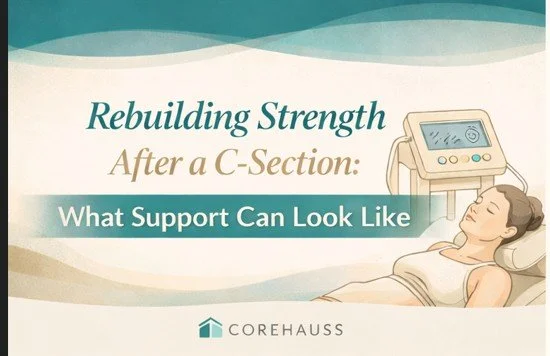
C-Section Recovery Support in St. Albert & Edmonton
C-Section Recovery Support in St. Albert & Edmonton
C-Section Recovery Support in St. Albert: Rebuilding Strength After Surgical Birth
Hormonal transitions don’t begin in midlife. For many women, the first major shift happens during pregnancy and surgical birth.
Postpartum core support in St. Albert is not about rushing back into workouts — especially after a C-section. For women in St. Albert and the greater Edmonton area, rebuilding strength after surgical delivery requires a different approach than simply “getting back to exercise.”
A C-section is a significant physical event — even long after the incision has healed.
Many women in St. Albert describe lingering sensations such as:
Weakness through the abdomen
Altered sensation or numbness around the incision
Difficulty reconnecting with deep core engagement
A sense that traditional exercise doesn’t “reach” the right muscles
This is not a failure of effort.
It is a natural result of how the body adapts to surgical intervention.
When abdominal layers are disrupted, communication between the nervous system and deeper stabilizing muscles can become less efficient. For women across Edmonton and St. Albert, this often shows up months later as instability, doming, or persistent weakness despite consistent workouts.
Rebuilding strength after a C-section in St. Albert benefits from sequencing rather than intensity.
That means prioritizing:
Awareness before load
Structured muscle activation
Tissue support
Gradual re-coordination of deeper stabilizers
Rather than adding pressure through high-intensity core exercises, a foundation-first approach allows the body to rebuild confidence and stability over time.
This principle applies not only postpartum but across all hormonal transitions. When the body experiences change — whether after pregnancy or later in perimenopause — muscle coordination shifts. Pushing harder is rarely the answer. Reconnection comes first.
At Corehauss in St. Albert, non-invasive Eurowave muscle activation is used to support deeper core engagement while coordination is restored. The goal is not to replace movement — it is to help rebuild the communication that makes movement feel stable and supported again.
For women in St. Albert and nearby Edmonton, this provides a structured pathway to regain strength without strain, pressure, or rushing the process.
If your body feels different after a C-section — even months or years later — rebuilding strength may begin with restoring connection.
If you’re in St. Albert or the greater Edmonton area and looking for C-section core support, your first session at Corehauss includes a detailed intake, baseline measurements, and guided muscle activation to assess where your strength currently stands.
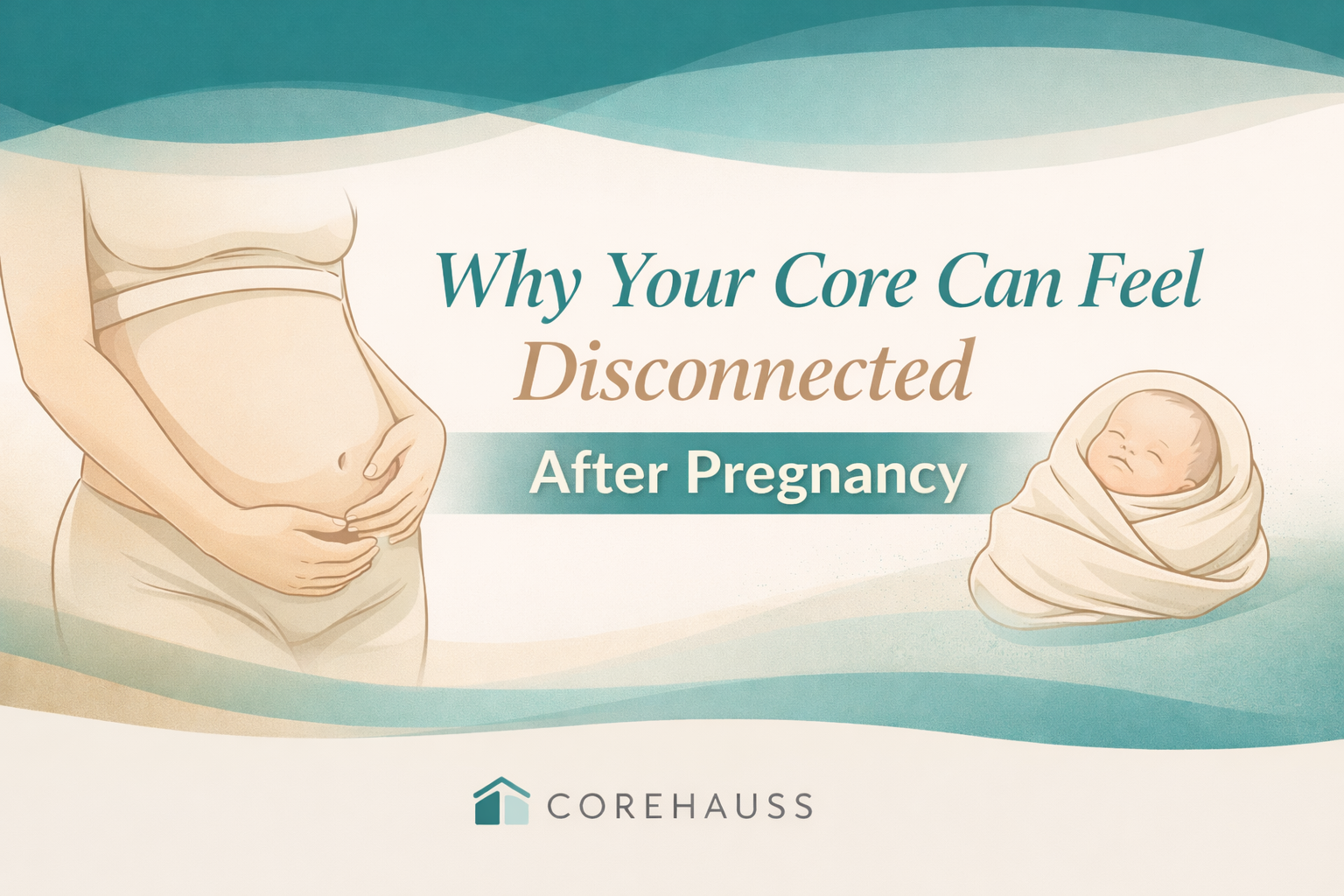
Why Your Core Can Feel Disconnected After Pregnancy
Why Your Core Can Feel Disconnected After Pregnancy
Many women describe the same feeling after pregnancy:
“I know my muscles are there — but I can’t feel them working the same way.”
This sense of disconnection is incredibly common and often misunderstood.
Pregnancy changes how the core muscles coordinate and respond. As the body adapts to carrying and delivering a baby, the deep abdominal muscles, pelvic floor, and surrounding tissue experience prolonged stretch and altered activation patterns.
After birth — whether vaginal or via C-section — the body doesn’t automatically return to its previous patterns of engagement. Even when healing is complete, muscle communication may remain inconsistent.
This is why many women feel:
weaker through the middle
less stable when lifting or moving
unsure how to “engage their core”
It’s not a lack of effort.
It’s a need for support and re-education, not force.
At Corehauss, the focus is on gently supporting muscle activation and awareness — helping the body relearn connection rather than pushing it into strain.
If your core feels unfamiliar after pregnancy, a consultation can help determine whether supportive muscle activation may be beneficial for you.
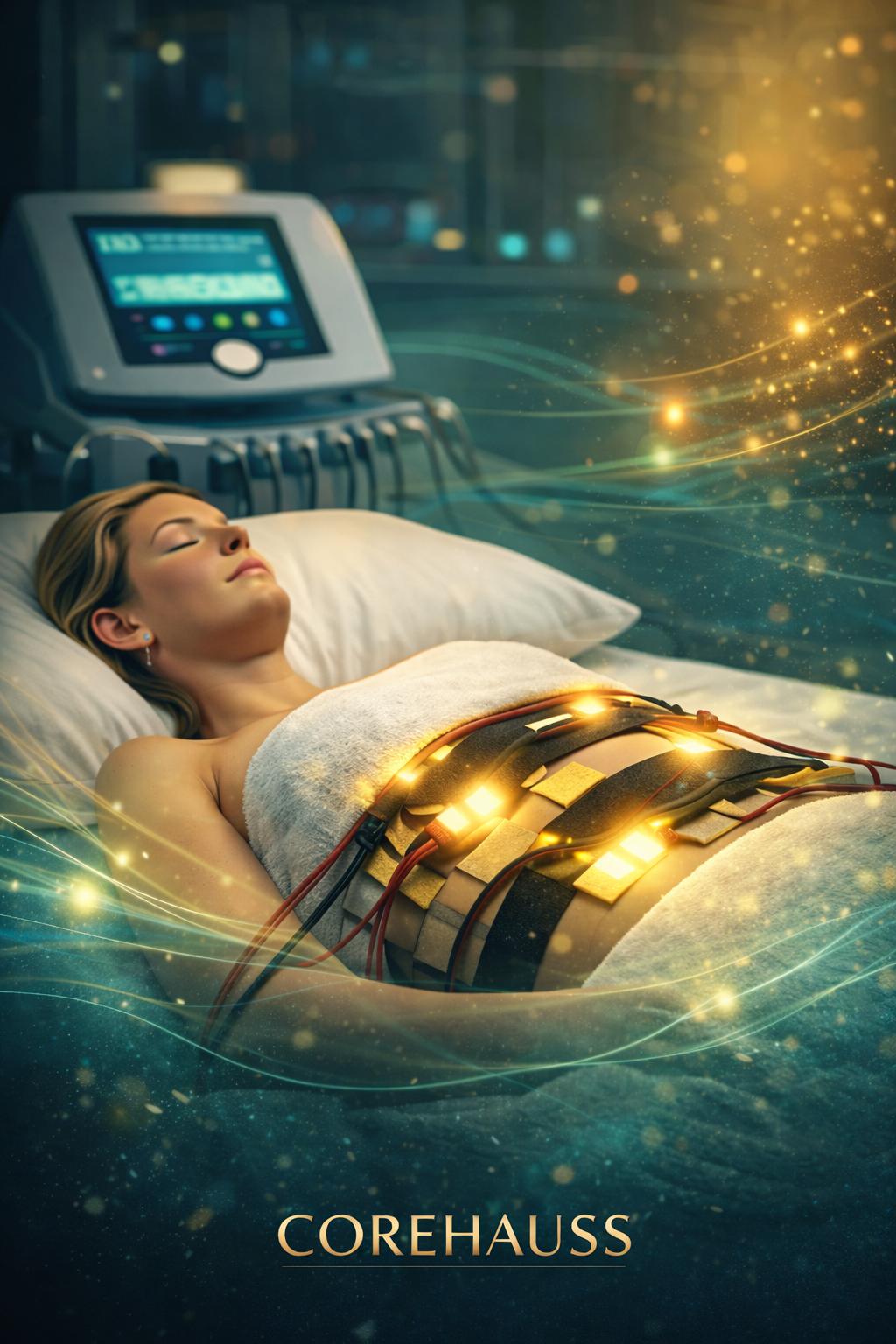
What to Expect From Your First Eurowave Session
A first Eurowave session is designed to support the body gently. Muscle activation feels rhythmic and controlled, helping the body reconnect without strain.
Trying something new can feel uncertain — especially when it involves your body.
A first Eurowave session isn’t about pushing, proving, or fixing.
It’s about supporting your body and understanding how it responds.
Before the Session
Your session begins with:
a brief conversation
discussion of goals
explanation of what Eurowave does and doesn’t do
No pressure. No assumptions.
During the Session
You’ll experience:
rhythmic muscle activation
gentle contractions
a feeling of engagement without strain
Many people describe it as:
calming
grounding
surprisingly comfortable
After the Session
Common early responses include:
feeling tighter
feeling lighter
improved body awareness
increased connection to core muscles
Results build with consistency.
The Takeaway
Your first session is about learning how your body responds — not forcing change.
Support comes first.
Adaptation follows.
Many women come to their first session after pregnancy, during hormonal shifts, or after periods of body change — and have similar questions about what to expect.
👉 Learn more about Eurowave sessions at Corehauss

Why Consistency Matters More Than Intensity
Consistent support creates lasting change. The body adapts best to steady, repeatable signals rather than intensity or extremes.
When people want change, intensity feels productive.
But bodies don’t change through bursts.
They adapt through consistency.
This is especially true during:
metabolic shifts
weight loss
stress
lifestyle transitions
Consistency creates safety — and safety allows adaptation.
Intensity Creates Stress Signals
High-intensity approaches:
spike stress hormones
increase recovery demand
reduce sustainability
They can work short-term, but often fail long-term.
Consistency Builds Trust With the Body
Consistent stimulation:
reinforces neural pathways
improves tissue responsiveness
supports circulation
reduces nervous system resistance
This is why gentle, regular input often outperforms occasional extremes.
Why This Matters for Body Composition
Body composition improves when:
muscles stay activated
tissues remain responsive
inflammation stays manageable
Consistency keeps these systems online.
Eurowave and Consistency
Eurowave sessions are designed to be:
repeatable
non-exhausting
supportive
They work best as part of a consistent routine, not a one-off fix.
The Takeaway
Bodies respond to what they can trust.
Consistency tells the body:
“You’re safe to adapt.”
👉 Learn more about Eurowave sessions at Corehauss

Supporting Strength When Appetite Is Lower
Strength and body composition look different on every body. Supporting muscle activation helps the body adapt with confidence during periods of change.
Strength isn’t just built in the gym.
It’s maintained through consistent signals to the body.
When appetite is lower — whether due to lifestyle changes, stress, or intentional weight loss — the body often receives fewer signals to maintain muscle engagement.
This is when many people notice:
weakness
softness
fatigue
reduced stamina
These changes are common, not personal failures.
Why Lower Appetite Affects Strength
When intake decreases:
total movement often decreases
resistance stimulation drops
muscle activation signals reduce
The body adapts by conserving energy.
This is efficient biology — not something to fight aggressively.
Why Forcing Intensity Often Backfires
When strength feels diminished, many people try to:
train harder
push through fatigue
increase intensity
But when energy availability is lower, aggressive strategies can:
increase stress
reduce recovery
worsen tissue responsiveness
The body responds better to support, not force.
Gentle Activation Makes a Difference
Supporting strength during low-appetite phases often looks like:
low-stress muscle activation
consistent stimulation
shorter, focused sessions
attention to recovery
This keeps muscles “online” without draining resources.
Where Eurowave Fits
Eurowave is used to support:
muscle activation without exhaustion
tissue engagement during transitions
structural awareness
It doesn’t replace nutrition or medical care.
It supports the physical structure of the body while it adapts.
The Takeaway
Strength isn’t lost overnight.
It fades when signals disappear.
Supporting activation — gently and consistently — helps preserve strength even when appetite or energy is lower.
👉 Learn more about Eurowave sessions at Corehauss

Tissue Quality: Why Tone Is More Than Muscle
Body tone is influenced by more than muscle alone. Tissue quality, circulation, and support play a key role in how the body feels and responds during change.
Many people think body tone comes down to muscle alone.
But muscle is only part of the picture.
What most people are actually responding to when they say a body looks or feels “tight” or “firm” is tissue quality — the health of the connective tissues, fascia, and fluid systems that surround and support muscle.
This is why two people with similar muscle mass can look and feel very different.
What Tissue Quality Really Means
Tissue quality refers to how well your tissues:
hold shape
respond to movement
circulate fluid
transmit tension
Healthy tissue feels:
responsive, not rigid
supported, not heavy
firm without strain
When tissue quality declines, the body may feel:
softer
less defined
puffy
less connected
This can happen even when weight is lost or muscle is present.
Why Tissue Quality Changes During Weight Loss
During periods of change, the body often experiences:
reduced mechanical stimulation
altered circulation
shifts in lymphatic flow
nervous system adaptation
Without consistent stimulation, tissues adapt by becoming less responsive.
This is not damage.
It’s adaptation.
And it can be supported.
Why Muscle Alone Doesn’t Solve This
Traditional exercise focuses on muscle contraction, but not always on:
sustained tissue engagement
gentle rhythmic stimulation
fluid movement through tissues
That’s why some people train regularly but still feel:
soft
heavy
unsupported
The missing piece is often how tissues are being stimulated — not how hard.
Supporting Tissue Quality Gently
Supportive approaches focus on:
consistent activation
rhythmic stimulation
low stress on the nervous system
improved circulation and awareness
This is where non-invasive technologies like Eurowave are used — not to replace movement or medical care, but to support tissue responsiveness during periods of change.
The Takeaway
Tone is not just muscle.
It’s tissue health, fluid movement, and responsiveness.
When tissue quality improves, bodies often feel:
firmer
lighter
more supported
more confident
Not because they’re smaller — but because they’re better supported.
👉 Learn more about Eurowave sessions at Corehauss
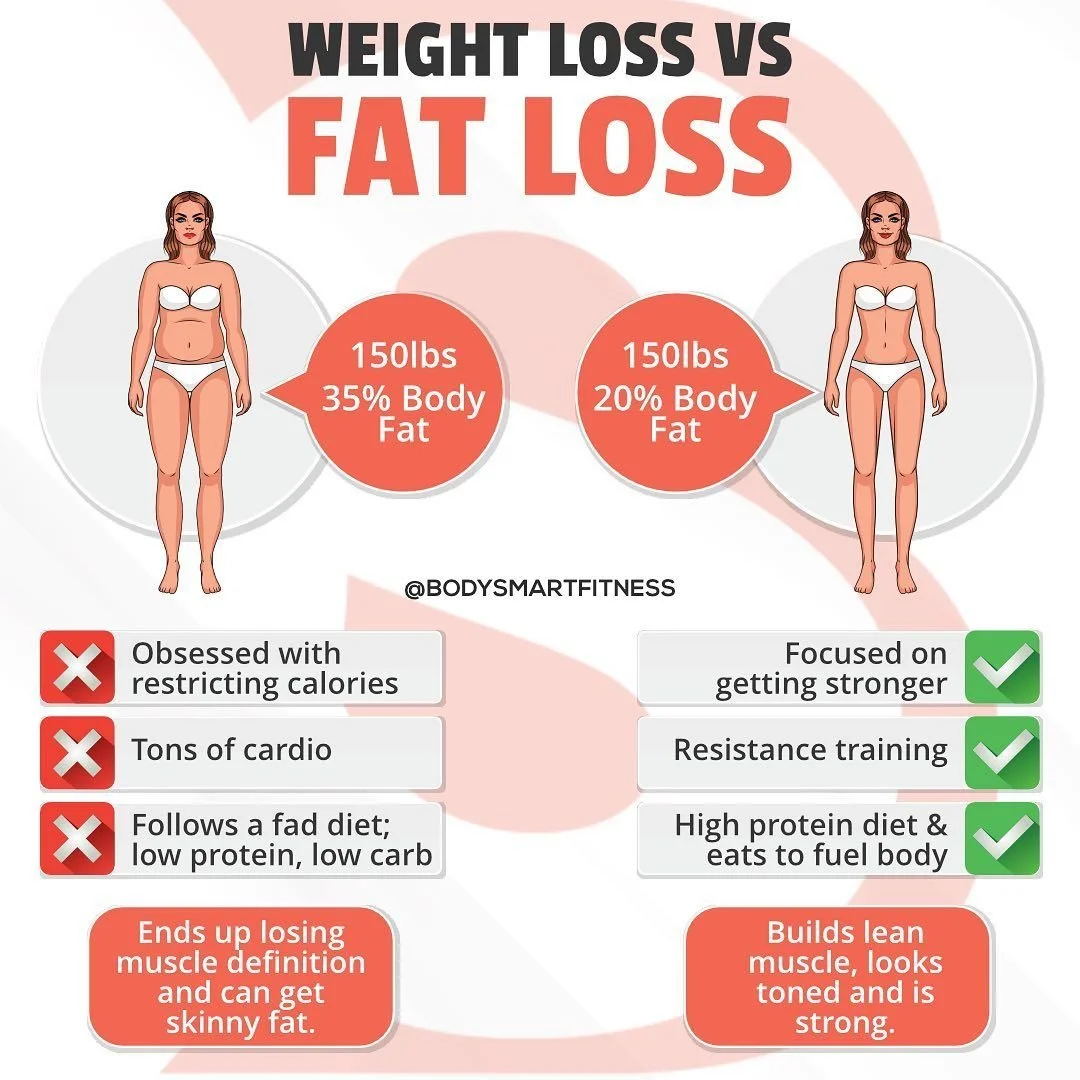
The “Skinny-Fat” Phase: Why Feeling Softer During Weight Loss Is More Common Than You Think
Feeling softer during weight loss is more common than you think. Learn why muscle activation and body composition matter more than the scale during periods of change.
Many women expect weight loss to feel empowering right away.
But instead, they notice something unexpected:
their clothes are looser
the scale is down
yet their body feels softer, less supported, or less “toned”
This phase is often described as feeling skinny-fat — and while the term isn’t ideal, the experience behind it is very real.
The good news?
This phase is common, temporary, and explainable.
What People Mean by the “Skinny-Fat” Phase
The “skinny-fat” feeling usually shows up when:
body weight changes faster than muscle adapts
muscle activation decreases
tissue support hasn’t caught up to size changes
It’s not about body shape being “wrong.”
It’s about body composition being out of sync.
In other words:
The scale moved faster than structure did.
Why Weight Loss Can Lead to Softness
Your body is made up of:
fat
muscle
water
connective tissue
When weight changes quickly, the body often loses:
fat
fluid
some degree of muscle engagement
Muscle provides firmness, tone, and support.
When muscle activation drops, tissues can feel looser — even at a smaller size.
This is why people say:
“I’m lighter, but I don’t feel as solid.”
That sensation isn’t failure.
It’s feedback.
Why This Phase Is So Common Right Now
This experience has become more common as:
appetite changes
eating patterns shift
activity levels change
bodies move through faster transitions
When the body isn’t receiving consistent signals to engage muscle, it adapts by conserving energy — not by maintaining tone.
That’s normal physiology, not a personal shortcoming.
Why Chasing More Weight Loss Usually Backfires
When softness shows up, many women instinctively try to:
eat less
push harder
train more aggressively
But adding stress often makes things worse.
The body doesn’t tighten under pressure.
It tightens when it feels supported and stable.
This is why the solution isn’t “more weight loss” — it’s better muscle engagement and tissue support.
How the Body Moves Out of the “Skinny-Fat” Phase
This phase resolves when:
muscle activation improves
tissues receive consistent stimulation
circulation and lymphatic flow are supported
the nervous system feels safe enough to adapt
As muscle engagement returns, many women notice:
improved firmness
better posture
a more defined shape
increased confidence in how their body feels
Not because they lost more weight — but because their structure caught up.
Where Supportive Muscle Activation Fits In
At Corehauss, Eurowave sessions are used to support:
gentle muscle activation
tissue tone
body awareness
structural support during transitions
This isn’t about forcing outcomes or replacing medical care.
It’s about helping the body reconnect to muscle engagement when it needs support the most.
The Takeaway
Feeling softer during weight loss doesn’t mean you’ve done anything wrong.
It means your body is in transition.
The goal isn’t to be smaller at any cost.
The goal is to feel supported, strong, and confident inside your body.
When muscle activation is supported, the rest follows.
If you’re navigating body changes and want to feel more supported as your body adapts, Eurowave may be a helpful tool to explore.
👉 Learn more about Eurowave sessions at Corehauss
Support your structure. Support your strength. Support your long-term health.
Why Rapid Weight Loss Can Change How Your Body Feels — Not Just How It Looks
Weight loss is often framed as a visual outcome.
But many women are surprised to find that when weight changes quickly, the biggest shift isn’t what they see in the mirror — it’s how their body feels.
Comments like these are incredibly common:
“I feel smaller, but softer.”
“My strength feels different.”
“I’ve lost weight, but I don’t feel as solid.”
“My body doesn’t feel supported the way it used to.”
These experiences are not a sign that something has gone wrong.
They’re a sign that body composition is changing faster than structure can adapt.
Weight Loss and Body Composition Are Not the Same Thing
The scale measures total mass.
It does not tell you what that mass is made of.
Your body is a combination of:
muscle
fat
water
connective tissue
fascia
When weight drops quickly — for any reason — the body may lose:
fat
fluid
muscle tone
That loss of tone is often what creates the sensation of softness, weakness, or instability — even as the number on the scale goes down.
This is why focusing only on weight can feel confusing or discouraging.
Why the Body Can Feel “Less Supported” During Rapid Change
Muscle provides more than strength.
It provides structure.
When muscle activation decreases:
posture can feel less stable
joints may feel less supported
the core may feel weaker
tissues may feel looser or less responsive
This doesn’t mean muscle is “gone forever.”
It means it needs intentional activation again.
And during periods of rapid weight change, that activation often doesn’t happen naturally.
Softness Is a Signal — Not a Failure
Softness during weight loss is often interpreted as something negative.
But from a physiological perspective, it’s simply information.
It can signal:
reduced muscle engagement
less resistance placed on the body
lower daily movement intensity
changes in nervous system signaling
changes in circulation and fluid dynamics
In other words, the body is adapting — and asking for support.
Why Long-Term Metabolic Health Depends on Muscle Preservation
Muscle is metabolically active tissue.
It plays a role in:
insulin sensitivity
glucose uptake
posture and balance
joint protection
long-term weight stability
Preserving muscle tone during weight loss isn’t about aesthetics.
It’s about function, resilience, and sustainability.
This is why many women shift their focus from “losing more weight” to:
feeling stronger
feeling tighter
feeling more supported
improving body composition
That shift is often where confidence returns.
Where Supportive Muscle Activation Fits In
During periods of rapid change, the body doesn’t always receive enough stimulus to keep muscles fully engaged.
Supportive activation methods — especially those that are:
non-invasive
low stress
adjustable
and gentle on the nervous system
can help the body:
reconnect to muscle engagement
improve tissue tone
feel more stable and supported
maintain structural integrity during transition
This is the context in which technologies like Eurowave are used — not as treatment, not as replacement for medical care, but as support for the physical structure of the body.
The Takeaway
If your body feels different during weight loss, you’re not doing anything wrong.
You’re experiencing a normal physiological response to rapid change.
The goal isn’t just to be smaller.
The goal is to be strong, supported, and stable inside your body.
That’s where long-term health lives.
A Gentle Invitation
At Corehauss, we focus on supporting muscle activation, tissue tone, and body awareness — especially during periods of change.
If you’re navigating weight loss and want your body to feel more supported along the way, Eurowave may be a helpful tool to explore.
👉 Learn more about Eurowave sessions at Corehauss
Support your structure. Support your strength. Support your long-term health.