
Postpartum Core Recovery in St. Albert: Why Crunches Can Make It Worse
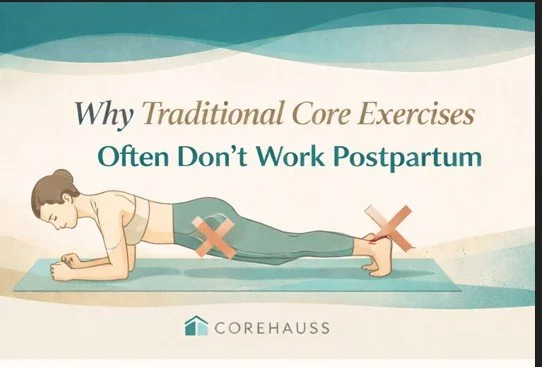
Why Traditional Core Exercises Often Don’t Work Postpartum
Many women in St. Albert assume that returning to traditional core workouts will restore strength quickly after having a baby. Crunches, planks, and online postpartum programs seem like the logical next step. Unfortunately, for many postpartum women in St. Albert, this approach often leads to frustration, increased abdominal pressure, or a feeling that something just isn’t connecting.
And it’s not because you’re not trying hard enough.
After pregnancy, the body doesn’t just need “stronger” muscles — it needs restored muscle activation patterns.
If deep stabilizing muscles have not re-engaged properly, adding intensity can actually reinforce compensation rather than true strength. This is something many women in both St. Albert and Edmonton experience when they jump back into exercise too quickly.
Traditional core exercises may:
Overuse surrounding muscles like hip flexors or superficial abdominals
Increase intra-abdominal pressure before stability is established
Create doming or pulling sensations through the midline
Feel frustrating or ineffective despite consistent effort
In postpartum recovery across St. Albert, we often see women doing “all the right things” but still feeling unstable, weak, or disconnected through the core.
This doesn’t mean exercise is wrong.
It means timing and support matter.
Before intensity, the body benefits from re-establishing connection to deeper stabilizing muscles — including the transverse abdominis and pelvic floor. Without that foundation, movement can feel strained instead of supportive.
For women in Edmonton and St. Albert looking for postpartum core recovery, the missing layer is often muscle activation — not more repetitions.
At Corehauss in St. Albert, the goal isn’t to replace movement or traditional exercise. It’s to support the foundation that makes movement feel safer and more effective again. By restoring deeper muscle engagement first, women are better prepared to return to strength training, functional workouts, or gym programs with confidence.
Whether you’re newly postpartum or months into recovery in St. Albert or nearby Edmonton, it’s important to remember:
Support comes before strength.
If exercise hasn’t felt right since pregnancy, there may be another layer worth addressing first — one that focuses on connection before intensity, and stability before strain.
If you’re in St. Albert or Edmonton and feel disconnected from your core after pregnancy, your first Eurowave session at Corehauss includes intake, measurements, and targeted muscle activation — so you can understand what’s actually happening beneath the surface.
Why Rapid Weight Loss Can Change How Your Body Feels — Not Just How It Looks
Weight loss is often framed as a visual outcome.
But many women are surprised to find that when weight changes quickly, the biggest shift isn’t what they see in the mirror — it’s how their body feels.
Comments like these are incredibly common:
“I feel smaller, but softer.”
“My strength feels different.”
“I’ve lost weight, but I don’t feel as solid.”
“My body doesn’t feel supported the way it used to.”
These experiences are not a sign that something has gone wrong.
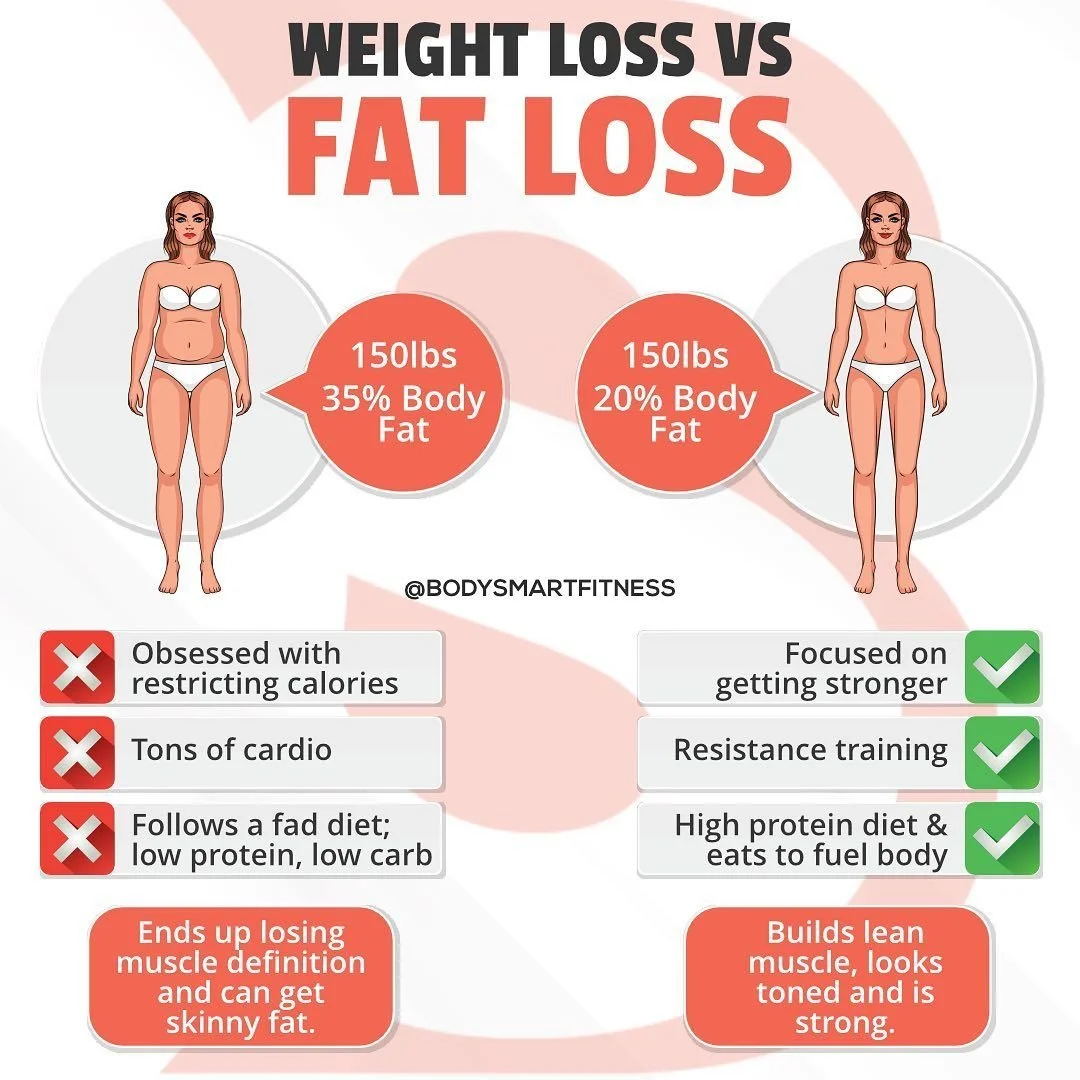
They’re a sign that body composition is changing faster than structure can adapt.
Weight Loss and Body Composition Are Not the Same Thing
The scale measures total mass.
It does not tell you what that mass is made of.
Your body is a combination of:
muscle
fat
water
connective tissue
fascia
When weight drops quickly — for any reason — the body may lose:
fat
fluid
muscle tone
That loss of tone is often what creates the sensation of softness, weakness, or instability — even as the number on the scale goes down.
This is why focusing only on weight can feel confusing or discouraging.
Why the Body Can Feel “Less Supported” During Rapid Change
Muscle provides more than strength.
It provides structure.
When muscle activation decreases:
posture can feel less stable
joints may feel less supported
the core may feel weaker
tissues may feel looser or less responsive
This doesn’t mean muscle is “gone forever.”
It means it needs intentional activation again.
And during periods of rapid weight change, that activation often doesn’t happen naturally.
Softness Is a Signal — Not a Failure
Softness during weight loss is often interpreted as something negative.
But from a physiological perspective, it’s simply information.
It can signal:
reduced muscle engagement
less resistance placed on the body
lower daily movement intensity
changes in nervous system signaling
changes in circulation and fluid dynamics
In other words, the body is adapting — and asking for support.
Why Long-Term Metabolic Health Depends on Muscle Preservation
Muscle is metabolically active tissue.
It plays a role in:
insulin sensitivity
glucose uptake
posture and balance
joint protection
long-term weight stability
Preserving muscle tone during weight loss isn’t about aesthetics.
It’s about function, resilience, and sustainability.
This is why many women shift their focus from “losing more weight” to:
feeling stronger
feeling tighter
feeling more supported
improving body composition
That shift is often where confidence returns.
Where Supportive Muscle Activation Fits In
During periods of rapid change, the body doesn’t always receive enough stimulus to keep muscles fully engaged.
Supportive activation methods — especially those that are:
non-invasive
low stress
adjustable
and gentle on the nervous system
can help the body:
reconnect to muscle engagement
improve tissue tone
feel more stable and supported
maintain structural integrity during transition
This is the context in which technologies like Eurowave are used — not as treatment, not as replacement for medical care, but as support for the physical structure of the body.
The Takeaway
If your body feels different during weight loss, you’re not doing anything wrong.
You’re experiencing a normal physiological response to rapid change.
The goal isn’t just to be smaller.
The goal is to be strong, supported, and stable inside your body.
That’s where long-term health lives.
A Gentle Invitation
At Corehauss, we focus on supporting muscle activation, tissue tone, and body awareness — especially during periods of change.
If you’re navigating weight loss and want your body to feel more supported along the way, Eurowave may be a helpful tool to explore.
👉 Learn more about Eurowave sessions at Corehauss
Support your structure. Support your strength. Support your long-term health.