

Your Habits Don't Create Your Identity
Your habits don’t create your identity, your identity creates your habits.
Your Identity Creates Your Habits.
Most women have been taught that if they could only become more disciplined...
...they would finally lose the weight.
If they could just eat better.
Exercise harder.
Stop emotional eating.
Be more motivated.
Then everything would change.
But after coaching women—and living through my own journey—I don't believe that's where transformation begins.
It begins much deeper.
It begins with identity.
We Have It Backwards
Think about how most people try to change.
They decide they want to lose 30 pounds.
So they buy healthier groceries.
Join a gym.
Download another calorie tracker.
Promise themselves that this Monday will be different.
For a few weeks they stay motivated.
Then life happens.
Stress returns.
Old habits creep back in.
The weight comes back.
Not because they failed...
Because they were trying to build new habits while still believing they were the same person.
Your Brain Always Tries To Stay Consistent
Your subconscious loves consistency.
If deep down your identity says...
"I'm overweight."
"I've always struggled."
"I'm not athletic."
"I have no willpower."
"I always quit."
Then your brain will quietly steer your actions back toward proving those beliefs true.
Not because you're broken.
Because your identity always wins.
Your habits are simply evidence of who you believe you are.
Every Choice Is An Identity Vote
James Clear talks about this beautifully in Atomic Habits.
Every action is a vote for the person you're becoming.
I like to take it one step further.
Every action is also evidence for the identity you're already practicing.
You don't eat healthy because you're disciplined.
You eat healthy because you're becoming someone who values her health.
You don't go for a walk because you're forcing yourself.
You go because that's what a healthy woman naturally does.
Healthy choices become easier when they match who you believe you are.
This Is Why Diets Fail
Diets focus almost entirely on behavior.
Calories.
Macros.
Meal plans.
Rules.
Restrictions.
But very few ever ask the question:
Who does this woman believe she is?
Because until that changes...
Nothing truly changes.
Identity Before Habits
Inside the Corehauss Metabolic Reset, this is where we begin.
Before we talk about protein...
Before fasting...
Before weighted walks...
Before strength training...
We build your future identity.
We design your future self.
The woman who:
Wakes up with energy.
Loves moving her body.
Eats in a way that nourishes her.
Feels strong.
Thinks clearly.
Trusts herself.
Keeps promises to herself.
Doesn't need motivation because this is simply who she is.
Once that identity becomes familiar...
The habits stop feeling forced.
They become natural.
Ask Yourself This Today
Instead of asking:
"What should I eat today?"
Try asking:
"What would the healthiest version of me choose?"
Instead of asking:
"Do I feel like exercising?"
Ask:
"What would the woman I'm becoming do today?"
One question comes from your current identity.
The other comes from your future one.
Guess which one changes your life.
Lasting Change Starts Here
You don't become healthy because you lose weight.
You lose weight because you've become someone who consistently makes healthy choices.
Identity comes first.
Habits follow.
And when your habits finally match who you believe you are...
Change stops feeling like hard work.
It simply becomes who you are.
Your Corehauss Challenge This Week
Take five minutes today and write one sentence.
"I am the woman who..."
Finish that sentence as if you're already living the life you want.
Maybe it's:
I am the woman who fuels her body with real food.
I am the woman who enjoys movement every day.
I am the woman who keeps promises to herself.
I am the woman who is metabolically healthy, strong, and full of energy.
Then tomorrow...
Act like her.
Not perfectly.
Just once.
Because every choice is another vote for the woman you're becoming.
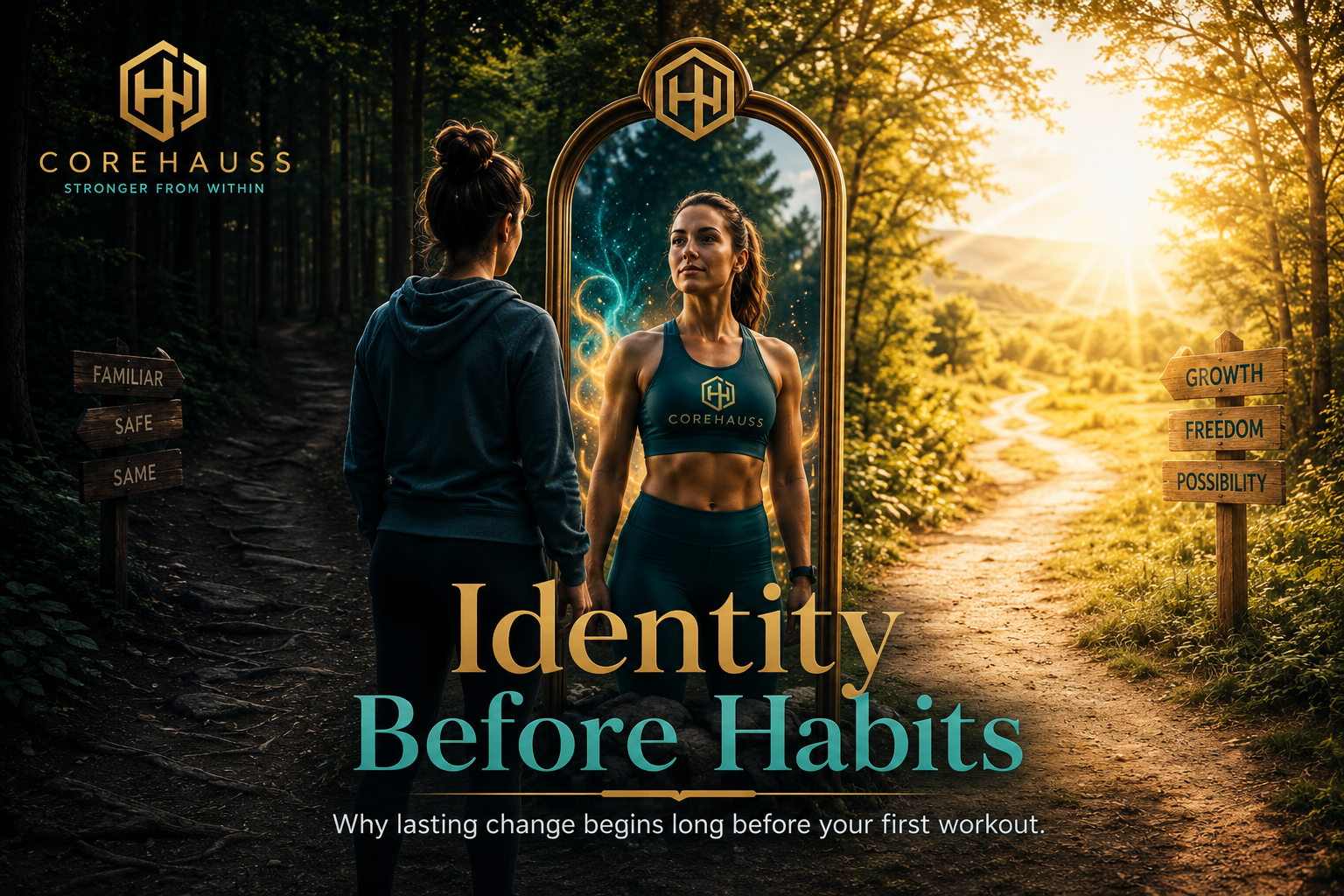
Identity Before Habits: Why Willpower Eventually Fails
Every habit begins with an identity. Before your body changes, your self-image must
If you've ever started a new diet feeling motivated on Monday…
Only to find yourself slipping back into old habits a few weeks later…
You're not alone.
And contrary to what we've been told for decades, it probably wasn't because you lacked willpower.
I don't believe most women fail because they don't want change.
I believe they fail because they're trying to create new habits while holding onto an old identity.
That changes everything.
The Willpower Myth
We've been taught that discipline is the answer.
Push harder.
Be stronger.
Want it more.
But think about something in your own life that feels effortless.
Maybe you brush your teeth every night.
You probably don't need motivation.
You don't negotiate with yourself.
You simply do it.
Why?
Because brushing your teeth is part of who you are.
Now imagine someone asking you to skip brushing your teeth for the next month.
It would feel uncomfortable.
Not because it requires effort…
…but because it conflicts with your identity.
That's exactly how lasting health works.
Your Identity Creates Your Habits
Every day we cast votes for the person we believe we are.
Someone who believes,
"I'm terrible at exercise."
will unconsciously avoid movement.
Someone who believes,
"I'm always tired."
will rarely look for opportunities to become stronger.
Someone who believes,
"I've always struggled with my weight."
will often interpret every setback as proof that nothing works.
These beliefs don't just influence behaviour.
They create it.
Our brains are incredibly efficient.
Once we've accepted an identity, our mind looks for evidence to support it.
Even when that identity no longer serves us.
Why Information Isn't Enough
One of the fascinating things about health is that information has never been more available.
We know that strength training improves insulin sensitivity.
We know protein helps preserve muscle.
We know sleep affects hormones.
We know chronic stress influences blood sugar.
Yet obesity, diabetes, and metabolic dysfunction continue to rise.
Clearly, information alone isn't the missing piece.
Because knowledge doesn't automatically become action.
Identity does.
Becoming Someone New
Imagine two women.
Both decide they're going to start walking every morning.
The first woman tells herself,
"I'm forcing myself to exercise because I need to lose weight."
The second tells herself,
"I'm becoming someone who values movement because I value my future."
The behaviour looks identical.
The identity is completely different.
One depends on motivation.
The other depends on self-image.
Months later, who is more likely to keep going?
The woman who believes that's simply who she is.
Small Actions Build Identity
This is where many people become discouraged.
They think they need to completely reinvent themselves overnight.
They don't.
Identity is built through repetition.
Every healthy meal.
Every walk.
Every strength workout.
Every early bedtime.
Every time you choose growth instead of old patterns…
You're casting another vote for your future self.
Eventually those votes become convincing.
Eventually your identity changes.
And when your identity changes…
Your habits stop feeling forced.
The Corehauss Philosophy
At Corehauss, I believe metabolism isn't only influenced by food.
It's influenced by the person making the food choices.
It's influenced by stress.
By sleep.
By muscle.
By hormones.
And perhaps most importantly…
By identity.
That's why mindset isn't an optional part of health.
It's the foundation.
Because once you become the woman who values strength, resilience, and vitality…
Your daily choices begin to align naturally with that identity.
The body follows.
A Question Worth Asking
Rather than asking yourself,
"How do I stay motivated?"
Try asking something different.
"Who am I becoming?"
Because lasting health isn't created one meal at a time.
It's created one identity at a time.
Every decision you make today is another vote for the woman you'll become tomorrow.
Choose wisely.
Ready to stop relying on willpower?
The Corehauss Metabolic Reset is designed to help women over 45 rebuild their health from the inside out. Together, we'll focus on metabolic health, strength, nutrition, and—most importantly—the identity that makes lasting change possible.
Because the goal isn't simply to lose weight.
The goal is to become the woman who never has to "start over" again.
You cannot consistently act outside of your current state of consciousness.
Safe Postpartum Recovery in St. Albert: Why Rushing Strength Can Backfire
Safe Postpartum Recovery in St. Albert: Why Rushing Core Strength Can Backfire
Hormonal transitions change how the body responds to stress and strength training. For many women, the first major shift happens postpartum.
In St. Albert, postpartum recovery is often framed as something to “finish” quickly. Six weeks pass, and women in St. Albert and Edmonton feel pressure to return to workouts, flatten their stomachs, or “bounce back.”
But the body does not operate on a deadline.
Postpartum recovery across St. Albert and the greater Edmonton area unfolds differently for every woman. Rushing core strength — especially when pelvic stability and abdominal coordination haven’t fully returned — can create frustration, compensation patterns, or setbacks.
For many women in St. Albert, the issue isn’t effort.
It’s sequencing.
Rebuilding strength during any hormonal transition — including postpartum — requires restoring communication before adding load.
Supportive approaches prioritize:
Rebuilding trust with the body
Restoring muscle coordination before intensity
Reconnecting deeper stabilizing muscles
Allowing strength to return progressively
When deeper activation hasn’t fully re-established, jumping into traditional workouts can increase abdominal pressure rather than improve stability. This is frequently seen in postpartum women throughout Edmonton and St. Albert who feel like exercise simply “isn’t working” the way it once did.
The same principle applies later in life. During perimenopause and menopause, muscle coordination and stress tolerance shift again. Pushing harder isn’t always the answer. Foundation comes first.
Removing pressure changes the outcome.
Sustainable postpartum recovery in St. Albert focuses on restoring foundational support before layering intensity. When the core and pelvic floor regain coordination, strength becomes more accessible — and movement feels steady rather than forced.
At Corehauss in St. Albert, strength rebuilding is approached with structure and patience. Non-invasive Eurowave muscle activation is used to assist deeper engagement while the body regains coordination at its own pace.
For women in St. Albert and nearby Edmonton, this provides a steadier path forward — one that respects adaptation rather than rushing it.
Your body doesn’t need to be pushed through transition.
It needs the right support at the right stage.
If you’re in St. Albert or the greater Edmonton area and unsure how to safely rebuild strength after pregnancy, your first session at Corehauss includes intake, measurements, and guided muscle activation to assess where your coordination and stability currently stand.
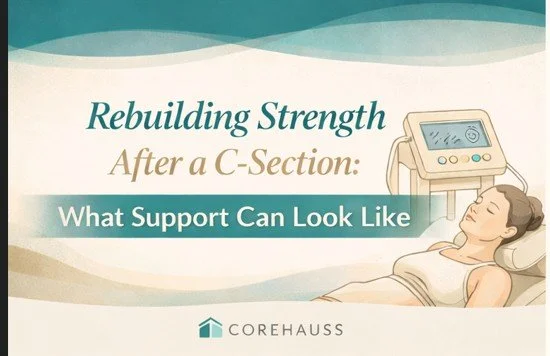
C-Section Recovery Support in St. Albert & Edmonton
C-Section Recovery Support in St. Albert & Edmonton
C-Section Recovery Support in St. Albert: Rebuilding Strength After Surgical Birth
Hormonal transitions don’t begin in midlife. For many women, the first major shift happens during pregnancy and surgical birth.
Postpartum core support in St. Albert is not about rushing back into workouts — especially after a C-section. For women in St. Albert and the greater Edmonton area, rebuilding strength after surgical delivery requires a different approach than simply “getting back to exercise.”
A C-section is a significant physical event — even long after the incision has healed.
Many women in St. Albert describe lingering sensations such as:
Weakness through the abdomen
Altered sensation or numbness around the incision
Difficulty reconnecting with deep core engagement
A sense that traditional exercise doesn’t “reach” the right muscles
This is not a failure of effort.
It is a natural result of how the body adapts to surgical intervention.
When abdominal layers are disrupted, communication between the nervous system and deeper stabilizing muscles can become less efficient. For women across Edmonton and St. Albert, this often shows up months later as instability, doming, or persistent weakness despite consistent workouts.
Rebuilding strength after a C-section in St. Albert benefits from sequencing rather than intensity.
That means prioritizing:
Awareness before load
Structured muscle activation
Tissue support
Gradual re-coordination of deeper stabilizers
Rather than adding pressure through high-intensity core exercises, a foundation-first approach allows the body to rebuild confidence and stability over time.
This principle applies not only postpartum but across all hormonal transitions. When the body experiences change — whether after pregnancy or later in perimenopause — muscle coordination shifts. Pushing harder is rarely the answer. Reconnection comes first.
At Corehauss in St. Albert, non-invasive Eurowave muscle activation is used to support deeper core engagement while coordination is restored. The goal is not to replace movement — it is to help rebuild the communication that makes movement feel stable and supported again.
For women in St. Albert and nearby Edmonton, this provides a structured pathway to regain strength without strain, pressure, or rushing the process.
If your body feels different after a C-section — even months or years later — rebuilding strength may begin with restoring connection.
If you’re in St. Albert or the greater Edmonton area and looking for C-section core support, your first session at Corehauss includes a detailed intake, baseline measurements, and guided muscle activation to assess where your strength currently stands.
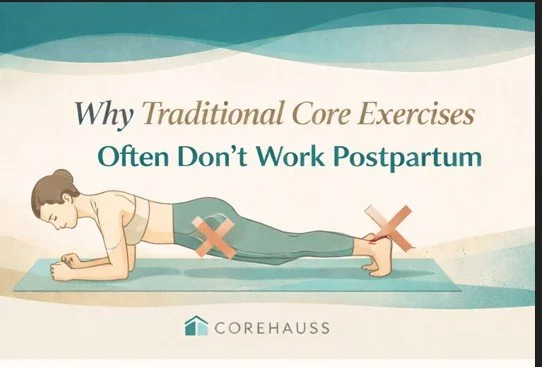
Postpartum Core Recovery in St. Albert: Why Crunches Can Make It Worse
Why Traditional Core Exercises Often Don’t Work Postpartum
Many women in St. Albert assume that returning to traditional core workouts will restore strength quickly after having a baby. Crunches, planks, and online postpartum programs seem like the logical next step. Unfortunately, for many postpartum women in St. Albert, this approach often leads to frustration, increased abdominal pressure, or a feeling that something just isn’t connecting.
And it’s not because you’re not trying hard enough.
After pregnancy, the body doesn’t just need “stronger” muscles — it needs restored muscle activation patterns.
If deep stabilizing muscles have not re-engaged properly, adding intensity can actually reinforce compensation rather than true strength. This is something many women in both St. Albert and Edmonton experience when they jump back into exercise too quickly.
Traditional core exercises may:
Overuse surrounding muscles like hip flexors or superficial abdominals
Increase intra-abdominal pressure before stability is established
Create doming or pulling sensations through the midline
Feel frustrating or ineffective despite consistent effort
In postpartum recovery across St. Albert, we often see women doing “all the right things” but still feeling unstable, weak, or disconnected through the core.
This doesn’t mean exercise is wrong.
It means timing and support matter.
Before intensity, the body benefits from re-establishing connection to deeper stabilizing muscles — including the transverse abdominis and pelvic floor. Without that foundation, movement can feel strained instead of supportive.
For women in Edmonton and St. Albert looking for postpartum core recovery, the missing layer is often muscle activation — not more repetitions.
At Corehauss in St. Albert, the goal isn’t to replace movement or traditional exercise. It’s to support the foundation that makes movement feel safer and more effective again. By restoring deeper muscle engagement first, women are better prepared to return to strength training, functional workouts, or gym programs with confidence.
Whether you’re newly postpartum or months into recovery in St. Albert or nearby Edmonton, it’s important to remember:
Support comes before strength.
If exercise hasn’t felt right since pregnancy, there may be another layer worth addressing first — one that focuses on connection before intensity, and stability before strain.
If you’re in St. Albert or Edmonton and feel disconnected from your core after pregnancy, your first Eurowave session at Corehauss includes intake, measurements, and targeted muscle activation — so you can understand what’s actually happening beneath the surface.
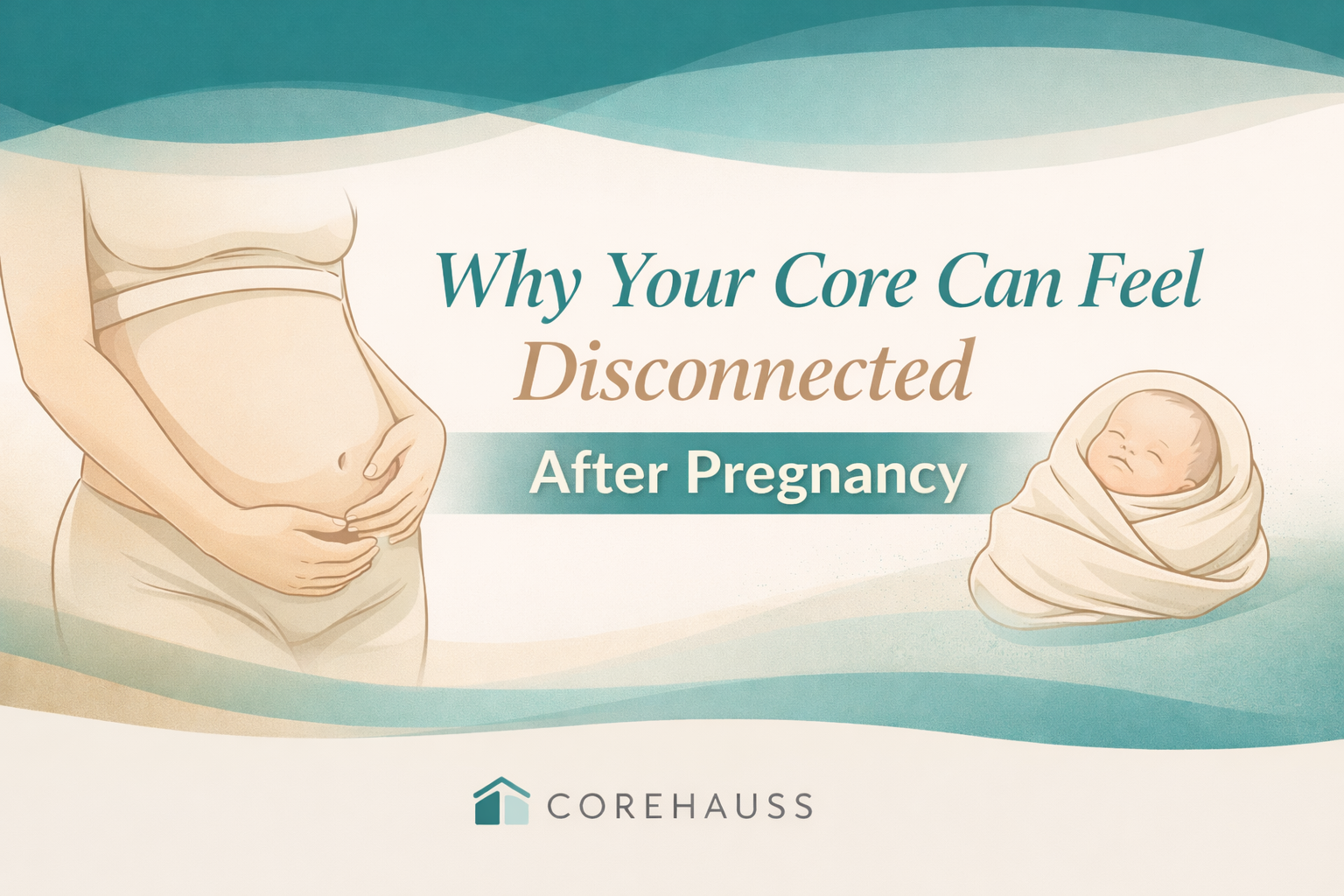
Why Your Core Can Feel Disconnected After Pregnancy
Why Your Core Can Feel Disconnected After Pregnancy
Many women describe the same feeling after pregnancy:
“I know my muscles are there — but I can’t feel them working the same way.”
This sense of disconnection is incredibly common and often misunderstood.
Pregnancy changes how the core muscles coordinate and respond. As the body adapts to carrying and delivering a baby, the deep abdominal muscles, pelvic floor, and surrounding tissue experience prolonged stretch and altered activation patterns.
After birth — whether vaginal or via C-section — the body doesn’t automatically return to its previous patterns of engagement. Even when healing is complete, muscle communication may remain inconsistent.
This is why many women feel:
weaker through the middle
less stable when lifting or moving
unsure how to “engage their core”
It’s not a lack of effort.
It’s a need for support and re-education, not force.
At Corehauss, the focus is on gently supporting muscle activation and awareness — helping the body relearn connection rather than pushing it into strain.
If your core feels unfamiliar after pregnancy, a consultation can help determine whether supportive muscle activation may be beneficial for you.
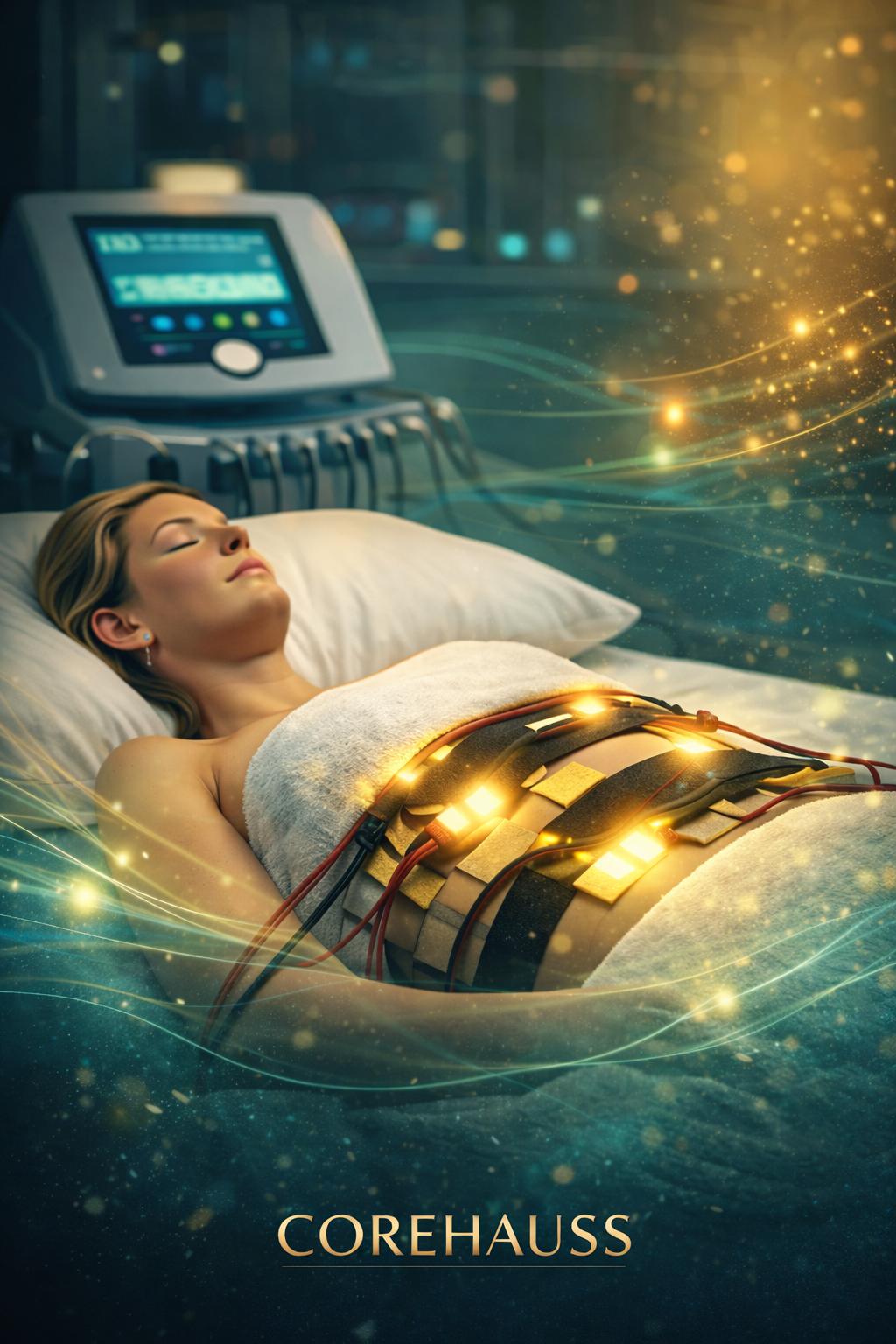
What to Expect From Your First Eurowave Session
A first Eurowave session is designed to support the body gently. Muscle activation feels rhythmic and controlled, helping the body reconnect without strain.
Trying something new can feel uncertain — especially when it involves your body.
A first Eurowave session isn’t about pushing, proving, or fixing.
It’s about supporting your body and understanding how it responds.
Before the Session
Your session begins with:
a brief conversation
discussion of goals
explanation of what Eurowave does and doesn’t do
No pressure. No assumptions.
During the Session
You’ll experience:
rhythmic muscle activation
gentle contractions
a feeling of engagement without strain
Many people describe it as:
calming
grounding
surprisingly comfortable
After the Session
Common early responses include:
feeling tighter
feeling lighter
improved body awareness
increased connection to core muscles
Results build with consistency.
The Takeaway
Your first session is about learning how your body responds — not forcing change.
Support comes first.
Adaptation follows.
Many women come to their first session after pregnancy, during hormonal shifts, or after periods of body change — and have similar questions about what to expect.
👉 Learn more about Eurowave sessions at Corehauss
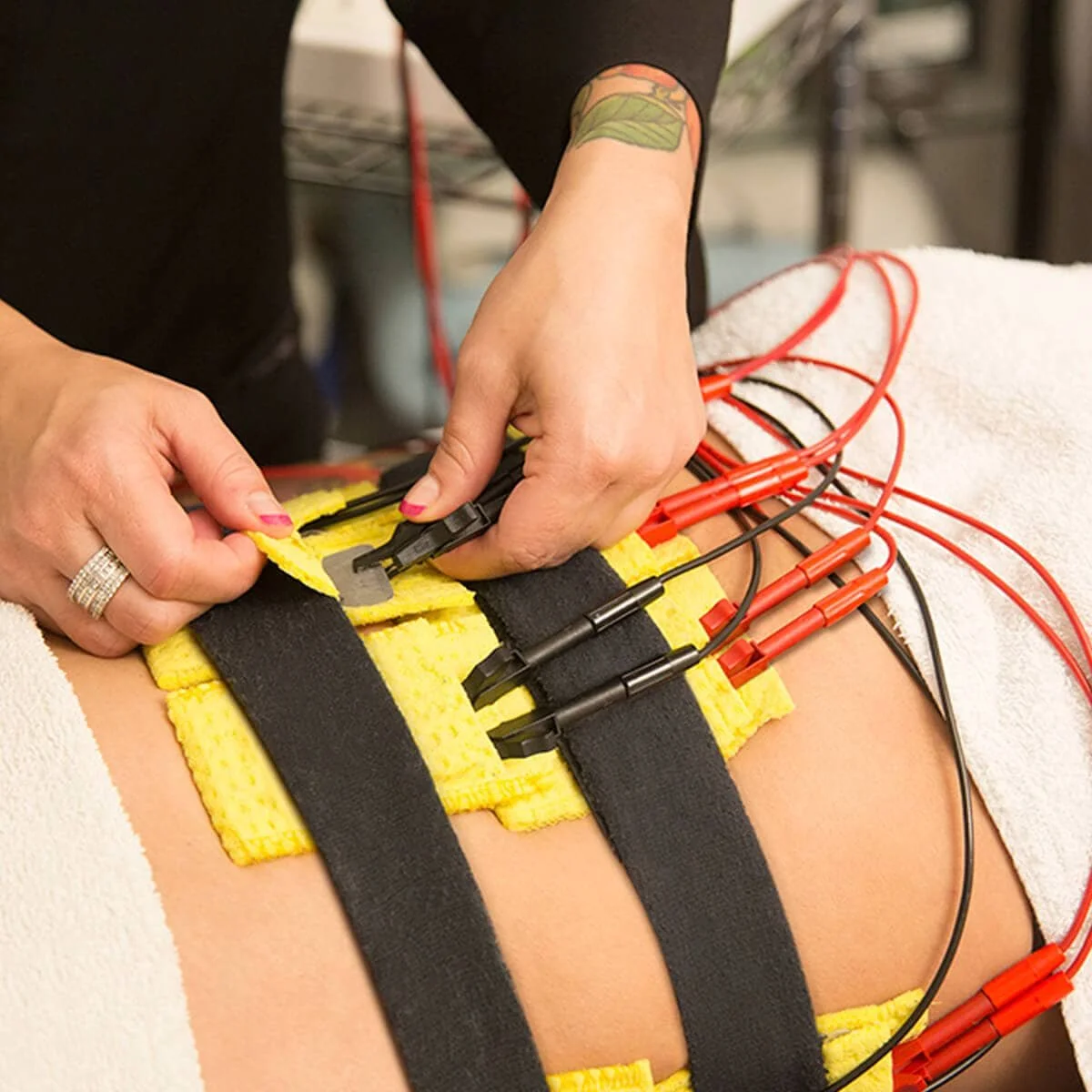
Why Inches Matter More Than Weight in Menopause — The Corehauss Method Explained
Eurowave
If you’re a woman between 45 and 55 staring down a scale that refuses to budge, let me give you a little relief:
your weight is not the problem — your inches are.
During the menopause transition, the body changes in ways the scale can’t measure. Fluid shifts, hormonal fluctuations, cortisol spikes, and stubborn midsection inflammation make your weight swing day-to-day like it’s got a mind of its own. And honestly?
It does.
This is why at Corehauss, we don’t obsess about the scale.
We look at inch loss, shape change, puffiness reduction, and muscle activation — the measurements that tell the real story of what your body is doing.
Let’s break it down in a way that actually makes sense.
The Scale Doesn’t Measure What Really Matters in Menopause
Here’s a truth bomb most women aren’t told:
Menopausal weight gain isn’t always fat — it’s often inflammation, water retention, and hormone-driven puffiness.
You can be doing everything right and still feel:
Puffy by late afternoon
Bloated around your midsection
Softer in the arms and hips
Tighter rings
Clothes fitting differently day-to-day
None of those show up on a scale in a way that reflects your actual progress.
But inches? Inches reveal everything.
Why Eurowave Targets Inches (and Not Weight)
Eurowave’s Faradic Wave technology works at the muscle, not the scale.
It activates muscles you haven’t connected with in years — especially your core, glutes, and thighs — and pulls everything in tighter.
Here’s what that means during the 45–55 menopause transition:
✔ Faster inch loss
Your shape changes before your weight ever moves.
✔ Improved muscle tone
Which raises your metabolism — something every menopausal woman needs.
✔ Reduced puffiness and inflammation
Your body stops holding onto fluid like a sponge.
✔ Immediate feedback
Many first sessions show 1–3 inches of tightening, depending on puffiness and inflammation levels.
Weight doesn’t tell you any of this.
Inches do.
Puffiness: The Hidden Saboteur No One Talks About
A lot of my Corehauss clients come in saying,
“Nothing works anymore.”
But after the first few sessions, we start to see a pattern:
Women aren’t stuck — they’re puffy.
Puffiness is driven by:
Higher cortisol
Higher insulin
Menopause hormone shifts
Poor sleep
Sedentary jobs
Stress (this one is huge)
When you reduce puffiness, the tape measure moves even when the scale doesn’t.
This is exactly why Eurowave is such a game-changer — it tightens the tissues and improves muscle engagement, helping the body release that stubborn, hormone-driven water retention.
At Corehauss, We Measure Success With a Tape Measure — Not a Scale
A scale only measures gravitational pull.
It tells you nothing about:
Your shape
Your inflammation
Your muscle activation
Your posture
Your symmetry
Your wellness
Your confidence
But inches?
Inches tell the truth. Every single time.
This is why every Corehauss session starts and ends with measurements — it’s the most accurate way to track actual progress.
Try the Method Yourself
Here’s what I want you to notice over the next few weeks:
How your clothes fit
How your waist feels in the morning vs. at night
Whether your rings are tighter some days
If your lower belly feels softer or harder
How quickly you puff up after sugar or stress
These are the signs your body is giving you — and they matter way more than a number on a scale.
⭐ Ready to Feel Tighter, Leaner, and More Confident in Your Body Again?
Your body isn’t broken — it’s simply navigating the 45–55 menopause transition, where hormone changes make fat loss and inch loss more challenging.
Eurowave helps activate deep core muscles, reduce puffiness, and reshape your figure faster than traditional workouts alone.
If you’re tired of the scale gaslighting you…
If you’re ready to see real inch loss…
If you want to finally feel at home in your body again…
👉 Book Your Eurowave Inch-Loss Session at Corehauss
Let’s start reshaping your midlife body — one confident inch at a time.